Home > Services > UAS / Drone survey

Do you need a large-scale or critical-area survey?

Our advanced technologies ensure efficiency, safety, and high precision across every phase of your project.

  • Aerial photogrammetry, airborne LiDAR, and Large-Scale Topographic Surveys

  • Asset inspection and monitoring (bridges, buildings, structural degradation, and more)

  • Assess the status of a construction site (State Progress of Works)
REQUEST INFORMATION
UAS / DRONE SURVEY

UAS / DRONE SURVEY

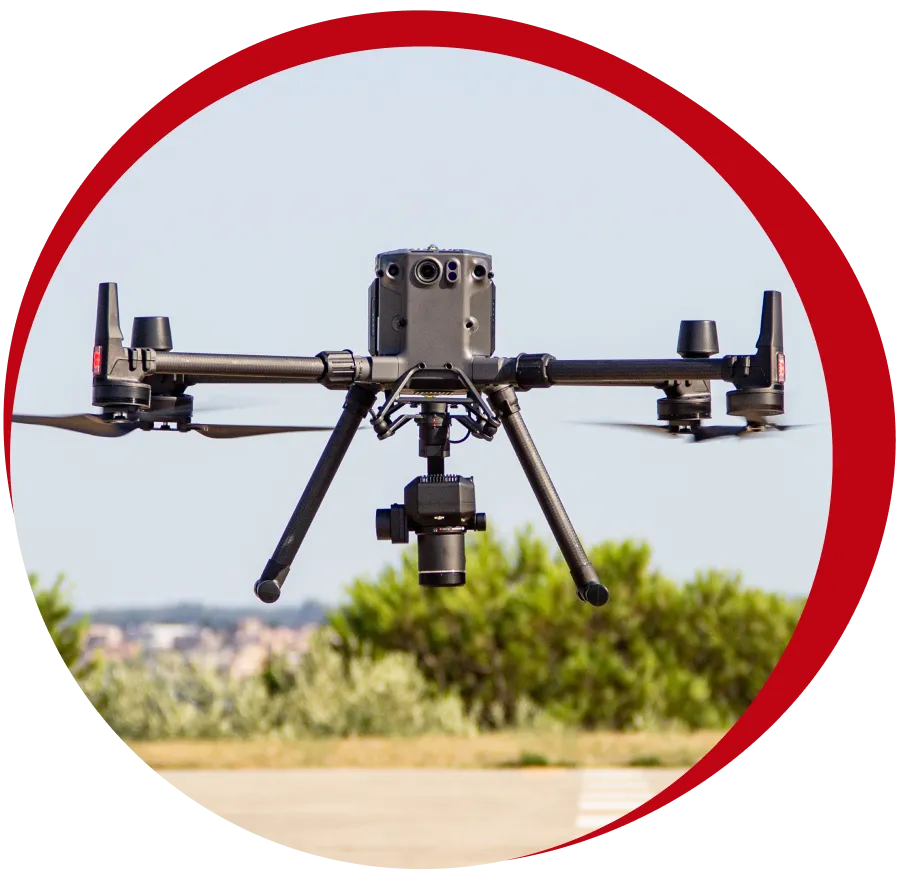
Surveys carried out using Remotely Piloted Aircraft Systems (RPAS) enable the acquisition of high-resolution spatial data quickly, accurately, and non-invasively. The use of drones represents an effective solution for surveying large or hard-to-reach areas, providing a comprehensive and georeferenced overview of the surveyed site.

This activity is part of our ongoing commitment to enhancing and expanding our professional expertise, with a focus on integrating traditional surveying methods with advanced technological instruments. The employment of these technologies raises the quality and precision of territorial analyses while improving operational efficiency and data reliability.

Each mission follows a structured operational workflow, which includes: verification of air traffic regulations (ENAC/ENAV), aerial reconnaissance, mission planning, flight execution/data acquisition, data processing and analysis.
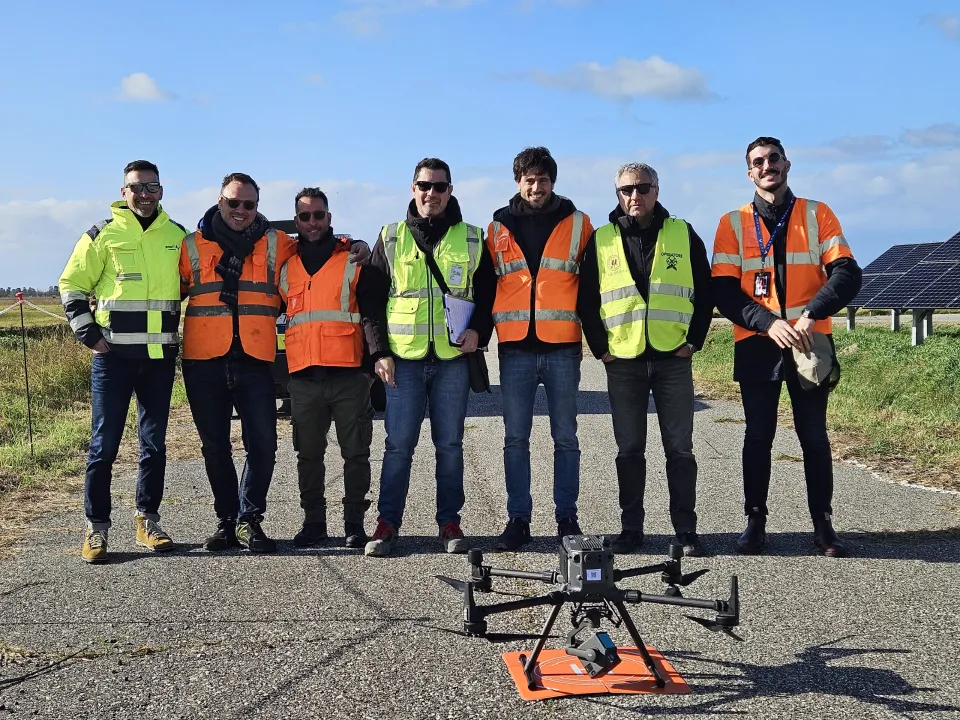
Piloti drone certificati

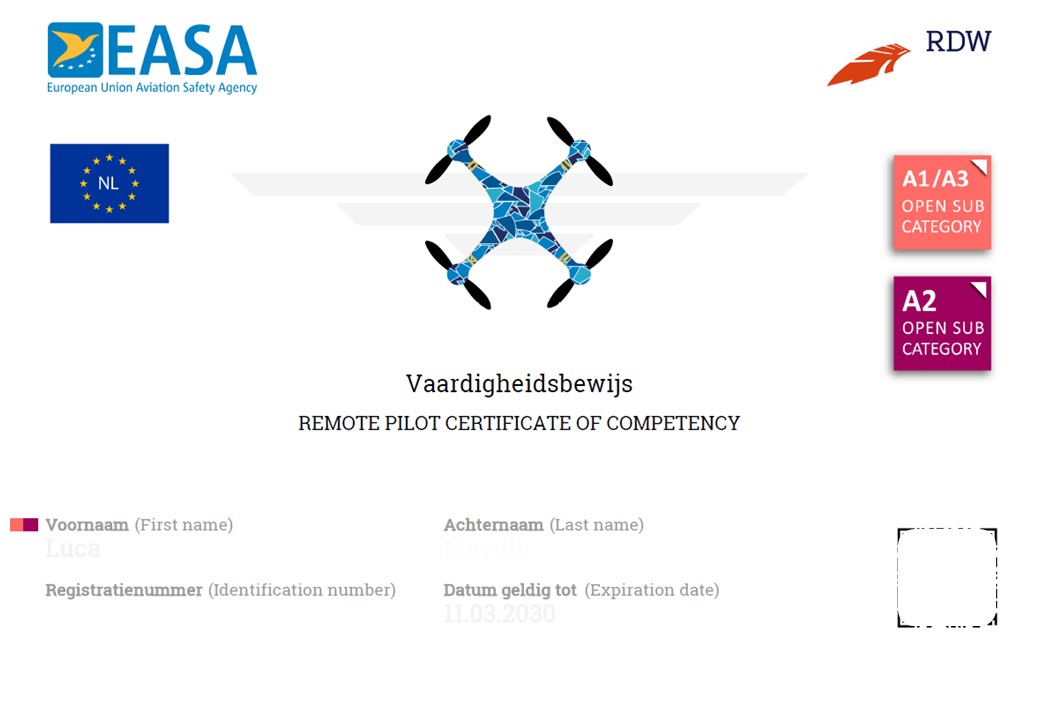
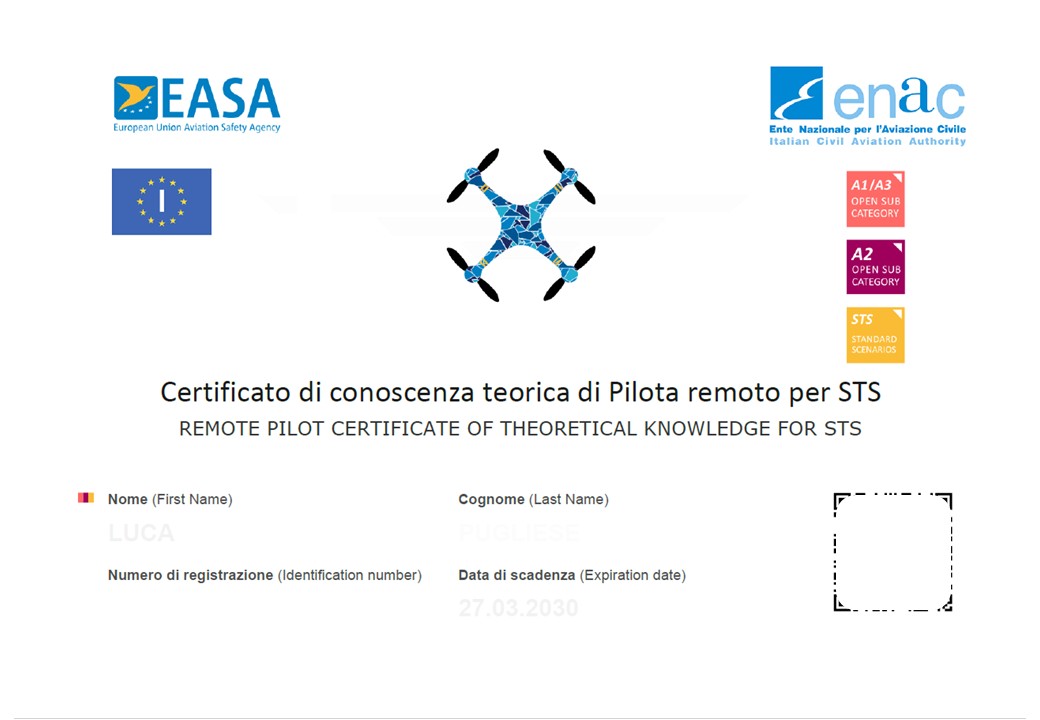
Highly qualified UAS pilots: A1/A3, A2, STS01/02

Our UAS pilots are highly qualified and hold A1/A3, A2, and STS-01/02 certifications, allowing them to operate also within the “Specific” category.

Each flight mission is conducted in VLOS (Visual Line of Sight), in full compliance with EASA and ENAC regulations and standardized operational procedures.

This approach ensures the highest levels of safety, precision, and reliability in all our aerial surveying and monitoring operations.
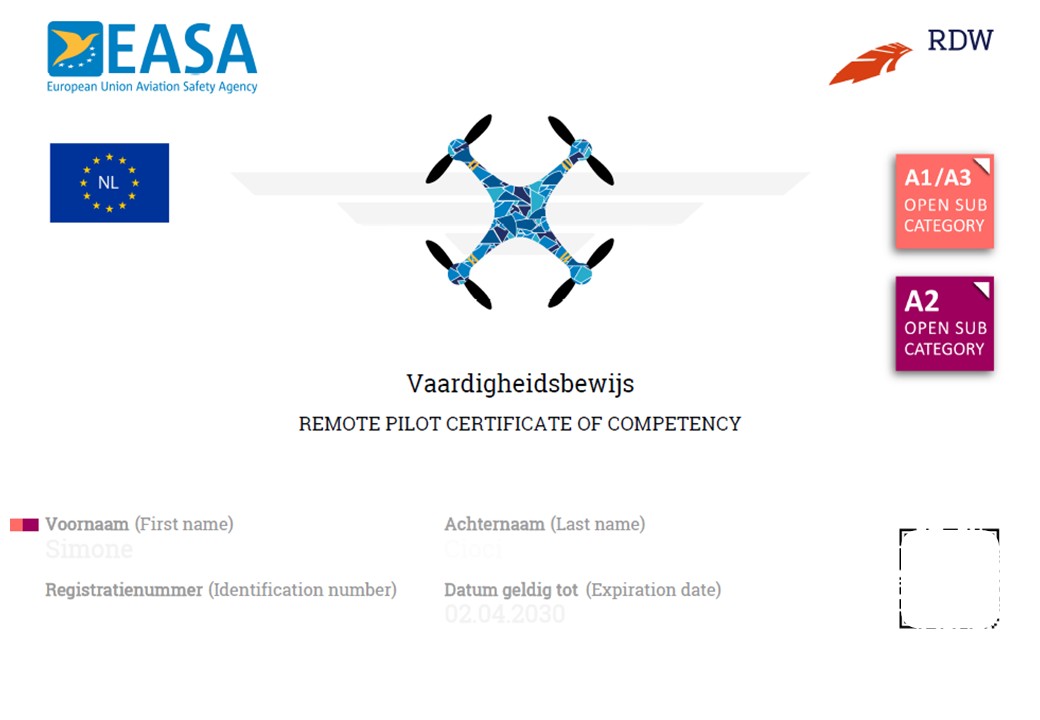
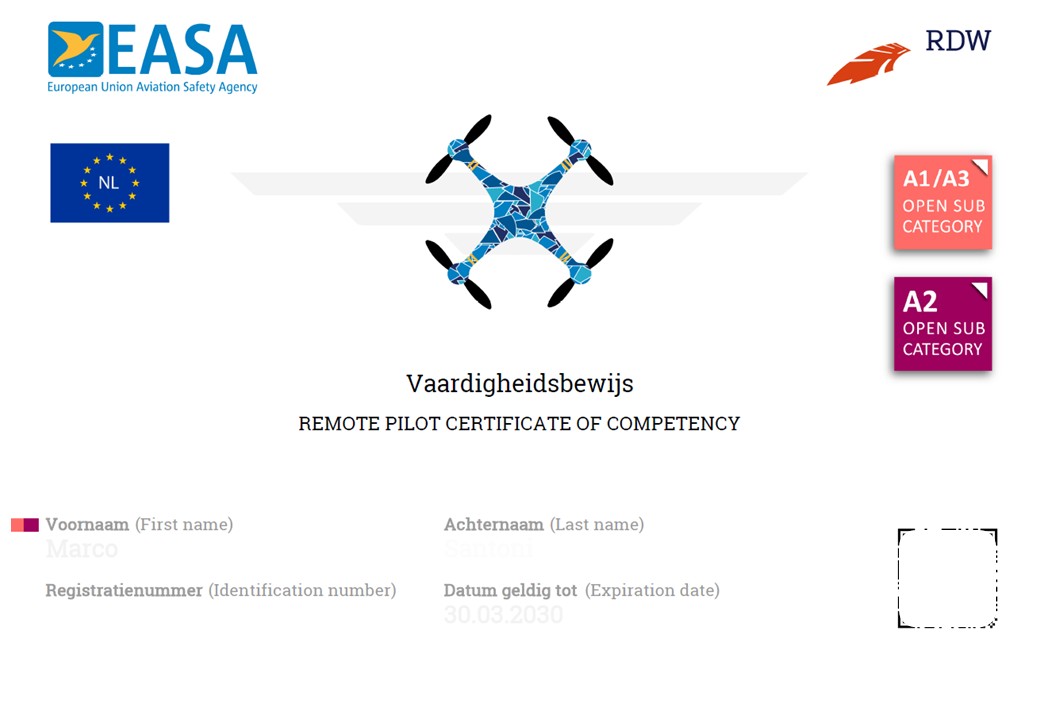
highly qualified UAS pilots

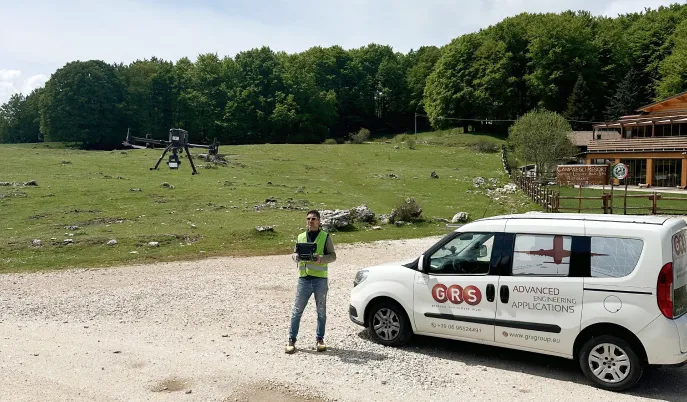
The use of drones (UAS – Unmanned Aircraft Systems) equipped with high-resolution cameras and GNSS positioning systems allows for programmed flights based on specific flight plans. During each mission, images are captured with a high degree of longitudinal and transverse overlap (typically 70–80%), an essential requirement for accurate 3D reconstruction.

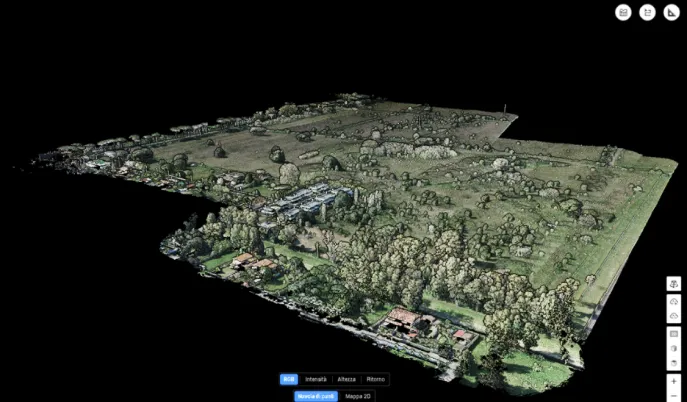
The collected data are processed using dedicated photogrammetric software capable of generating point clouds, Digital Terrain Models (DTM), Digital Surface Models (DSM), high-resolution orthophotos, and other geospatial products. These outputs are extremely valuable for topographic, environmental, urban, and engineering analysis.

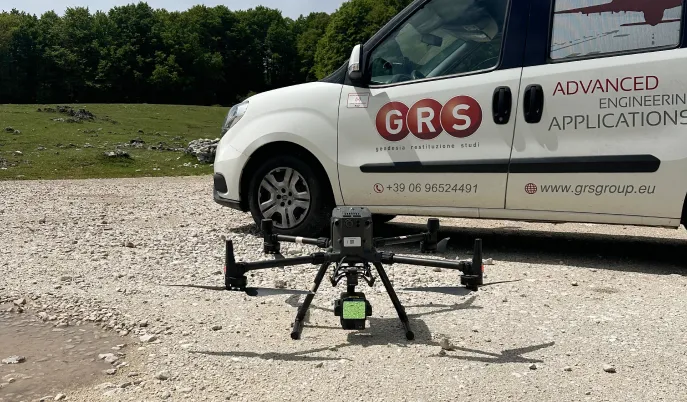
Drone-based LiDAR (Light Detection and Ranging) surveying involves the use of a laser sensor mounted on a UAS to collect high-density and high-accuracy three-dimensional data. The LiDAR technology emits laser pulses toward the ground to measure the distance between the sensor and surface objects, producing geo-referenced point clouds that accurately represent terrain morphology and surface features.

This technique is particularly effective in complex or vegetated environments, where traditional photogrammetric methods may face limitations.
Data processing delivers Digital Terrain Models (DTM), Digital Surface Models (DSM), and high-precision elevation data, supporting applications in topography, forestry, hydrogeology, and infrastructure management.

In the construction and civil engineering sectors, drone technology is increasingly used to monitor work progress and verify project compliance during construction phases.

UAS surveys improve efficiency by reducing on-site inspection times and providing detailed visual and geo-referenced documentation.
They enhance safety by enabling aerial inspections of hazardous or inaccessible areas, reducing risks for field operators. Drone monitoring also increases transparency in project management, supporting logistical planning, phase tracking, and progress reporting (SAL – Stato Avanzamento Lavori).

Drones are increasingly employed in environmental surveys, enabling the safe, fast, and precise mapping, analysis, and monitoring of high-risk areas such as landslide zones or contaminated sites. The data collected provide essential information for environmental prevention, emergency response, and remediation planning.

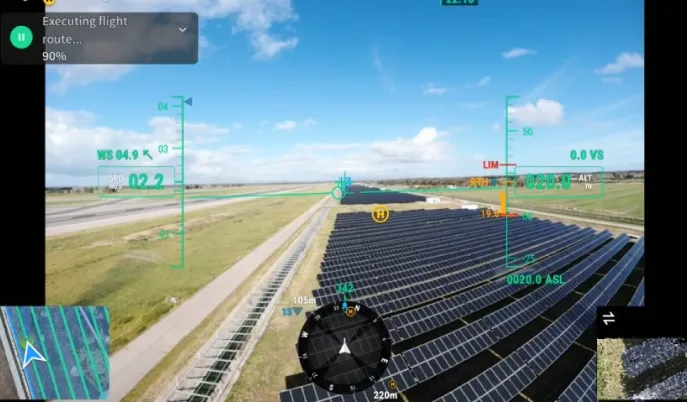
UAS operations are regulated by national circulars and European aviation standards, which define and restrict flight activities in special zones. Our long-standing experience in the airport sector allowed us to successfully conduct an authorized UAS flight within the operational airspace of Rome Fiumicino International Airport.

This mission was carried out under the SPECIFIC operational category, with direct operational authorization granted by ENAC (Italian Civil Aviation Authority).

CONTACT US »

CORRELATED TECHNOLOGIES

LiDAR DRONE
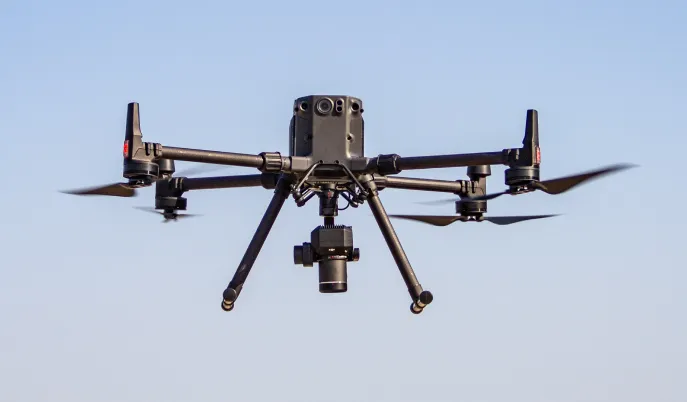
LiDAR DRONE

Photogrammetry drone

Photogrammetry drone

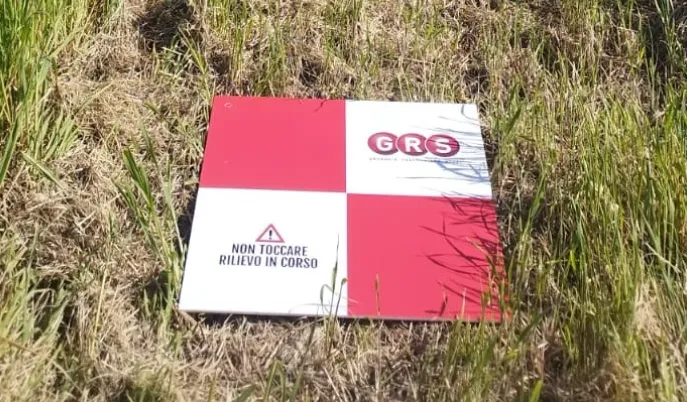
GCP (Ground Control Point)
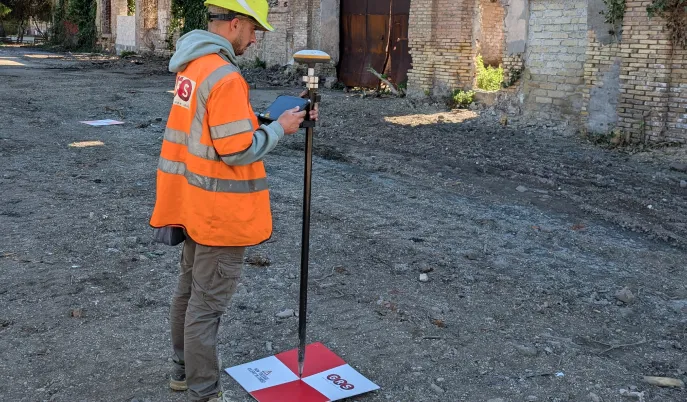
GCP (Ground Control Point)

Topographic survey by GNSS

Topographic survey by GNSS

Provide a quotation now?

CONTAC US HERE

CASE HISTORY

International Airport of Fiumicino

International Airport of Fiumicino
ADR S.p.A.
Roma – 2025

As-built survey of the largest self-consumption photovoltaic installation within a European airport, carried out in the areas adjacent to the runway strips at Leonardo da Vinci International Airport (Rome Fiumicino). The survey was conducted within active air traffic conditions, without interrupting airport operations.
Province of Rome

Province of Rome
Falcon Holding d.o.o.
City of Campaegli – 2025

Topographic and environmental survey carried out to document the existing conditions of the area, supporting potential future real estate developments. The survey included the classification and mapping of both anthropogenic (man-made) and natural features.
City of Rome

City of Rome
Risorse per Roma S.p.A.
ROMA – 2024

Topographic survey carried out in support of the design of the hydraulic intake and return works and the expansion basin of the Palocco Canal. The activity included the creation of a Digital Terrain Model (DTM), high-resolution orthophotos, and cross-sections of the existing canal.

REFERENCES

Tecne

Fill in the form or call us at

+39.06.96524491

A GRS specialist will contact you to address your needs.